
Why Anyone Still Buys Hardbacks
Three times the price, twice the weight, impossible to read in the bath. And still worth it for a specific and narrow set of books.
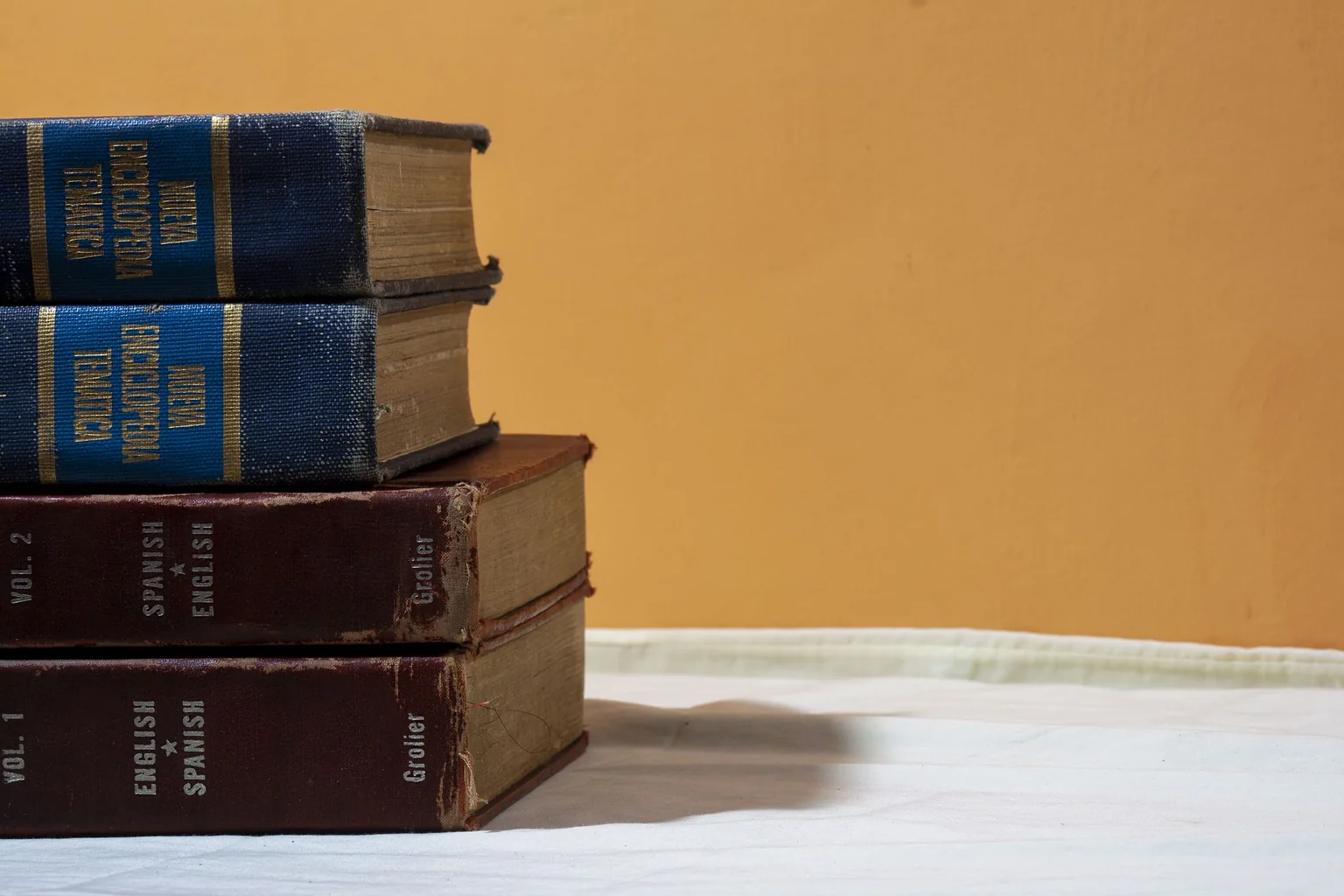
The economics make no sense and the habit persists anyway.
A hardback costs roughly three times the paperback, weighs more than you want in a bag, and will be superseded by a cheaper edition within the year. Every rational argument points at waiting. Most people who buy them know this.
The case for them is narrow but it is real.
What a hardback is actually for
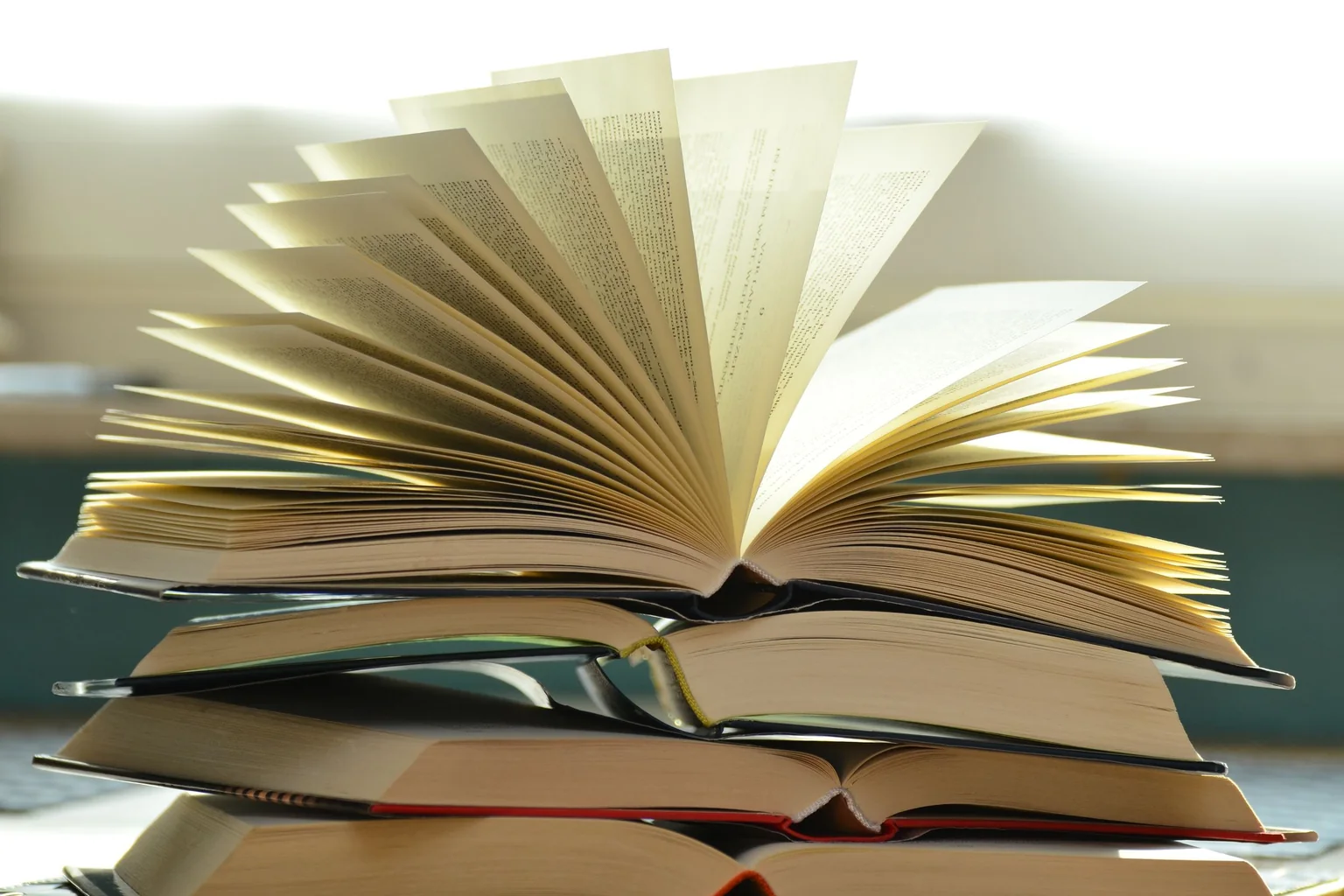
Books you will open more than once. Reference, cookery, anything with plates, and the handful of novels you know you will re-read. A sewn binding opens flat and survives being opened flat, which a perfect-bound paperback does not - crack a paperback spine twice and it starts shedding.
If you will read it once and pass it on, buy the paperback. The hardback is for the shelf, not the reading.
The signed-first-edition trap
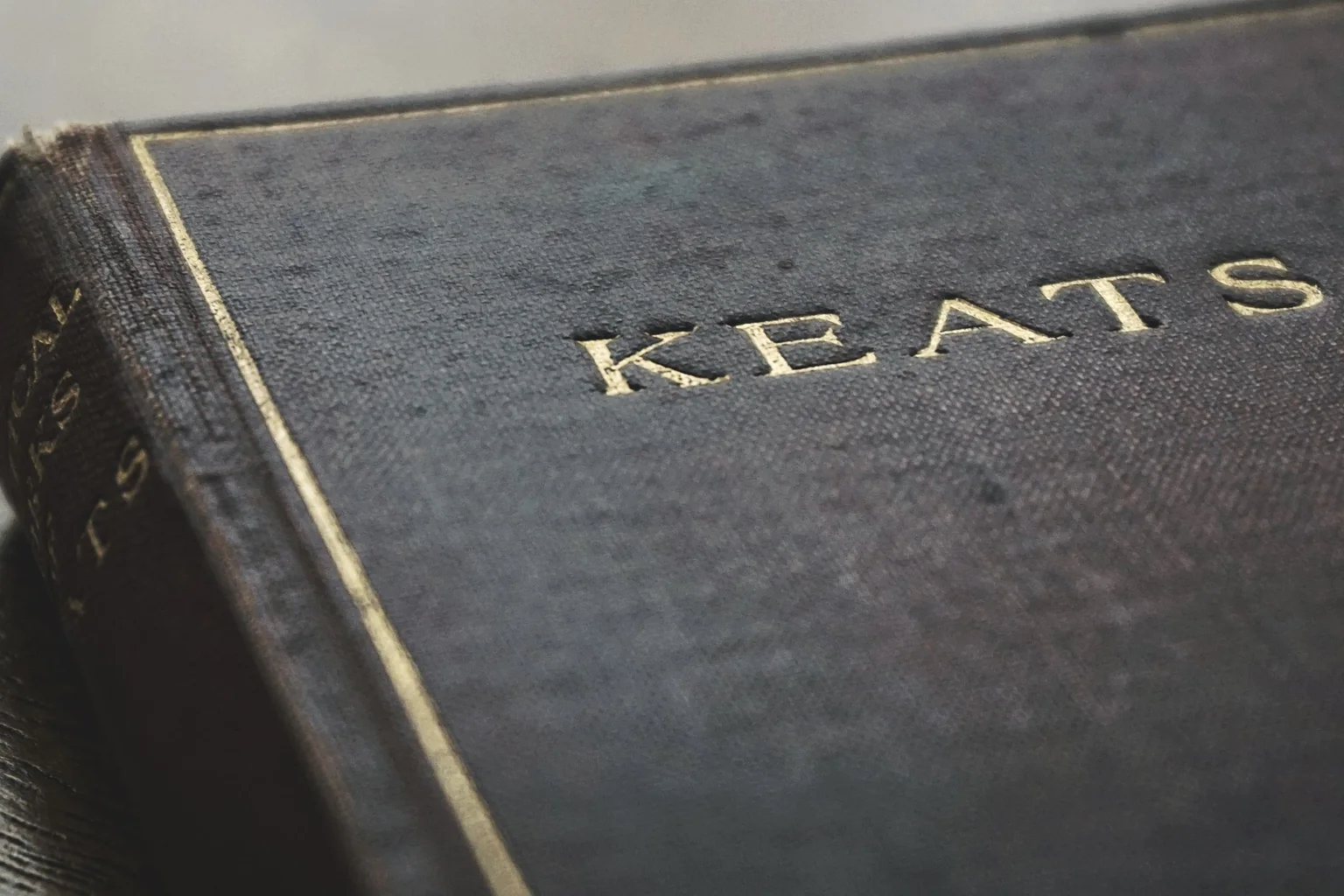
Signed first editions are sold as investments and almost never are. Print runs for anything you have heard of are large, condition requirements are brutal, and the market for modern firsts is thin. Buy one because you love the book and want the object.
The ones that appreciate are the ones nobody knew to buy.
A practical middle
Wait for the trade paperback. Larger format, better paper, sewn more often than you would expect, and roughly half the hardback. It is the format most books should have been published in to begin with.