
Paperback or Screen
After a decade of the argument, the honest position is that it depends entirely on the book.
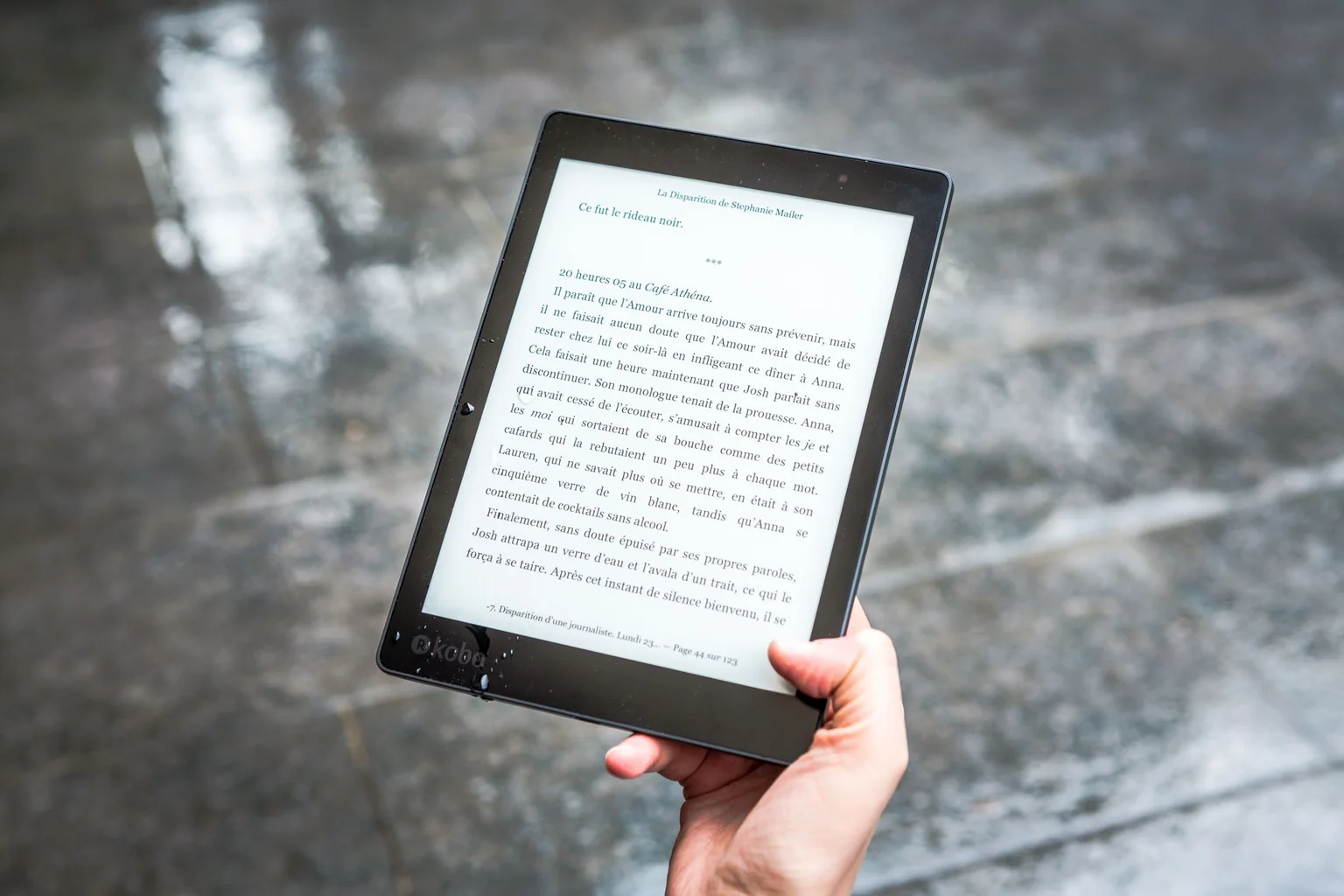
The format war ended and nobody announced the result.
Print did not die, e-readers did not go away, and most committed readers quietly use both. The interesting question stopped being which is better some years ago. What is left is a practical one: which book, which format.
The split is fairly consistent once you look at it.

What screens are genuinely better for
Long novels, because weight stops mattering. Travel. Anything you want tonight at eleven o'clock. Large print on demand, which for a lot of readers is not a convenience but the difference between reading and not. And anything you would rather nobody saw the cover of.
Also series - carrying nine books costs nothing.
What print is better for
Anything you need to flip through. Cookery, reference, poetry, and non-fiction where you want to hold a finger in the notes. Illustrated books, obviously. And anything you intend to lend, which is a real function of a book that no e-reader has replaced.
Memory of place matters too: people recall where on the page something sat, and screens flatten that.
The reasonable arrangement
Screen for volume and travel, print for the things you will return to. Buy the paperback of anything you loved on the screen. That is not inconsistency, it is just knowing what each is for.