
Series Order or Publication Order
Chronological or as-written? The answer is different for crime, fantasy and everything else, and it matters more than people think.
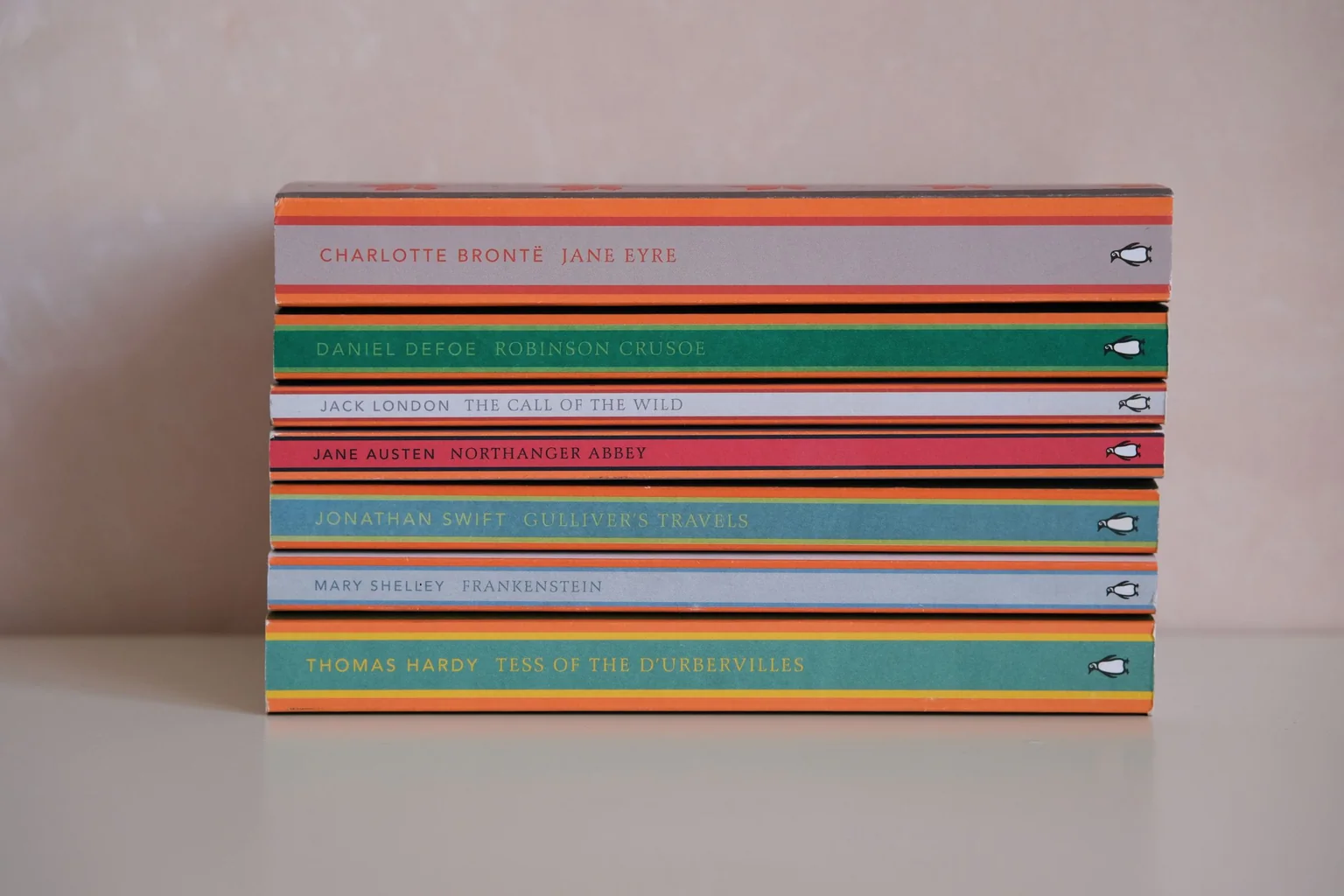
Two readers can finish the same series having read two different books.
One goes in publication order and watches a writer learn their craft. The other goes chronologically and watches a world unfold in sequence. Both are legitimate. They are not the same experience, and the difference is largest in exactly the series people argue about.
The useful question is not which is correct but what the series is doing.
Crime: publication order, nearly always
Detective series are about a person changing across a career. Rankin's Rebus ages in real time and drinks himself towards a retirement the early books could not have imagined. Read those out of order and the arc collapses into a set of unrelated cases.
The exception is a series with a genuine prequel written late, which is usually better read where it was published.
Fantasy and historical: chronological often wins
Where the appeal is the world rather than the narrator, chronology helps. Cornwell's Sharpe was written wildly out of sequence and reads far better in campaign order, because the pleasure is watching a career build from the ranks.
The test: if the books are about a place and a period, go chronological. If they are about one person's mind, go by publication.
The compromise nobody mentions
Read the first three in publication order, then switch to chronological. You get the writer finding their voice, then the world in sequence, and you avoid the common failure of starting with a prequel that assumes you already care.