
In Defence of Re-Reading
You are not the person who read it the first time, which is the entire point.
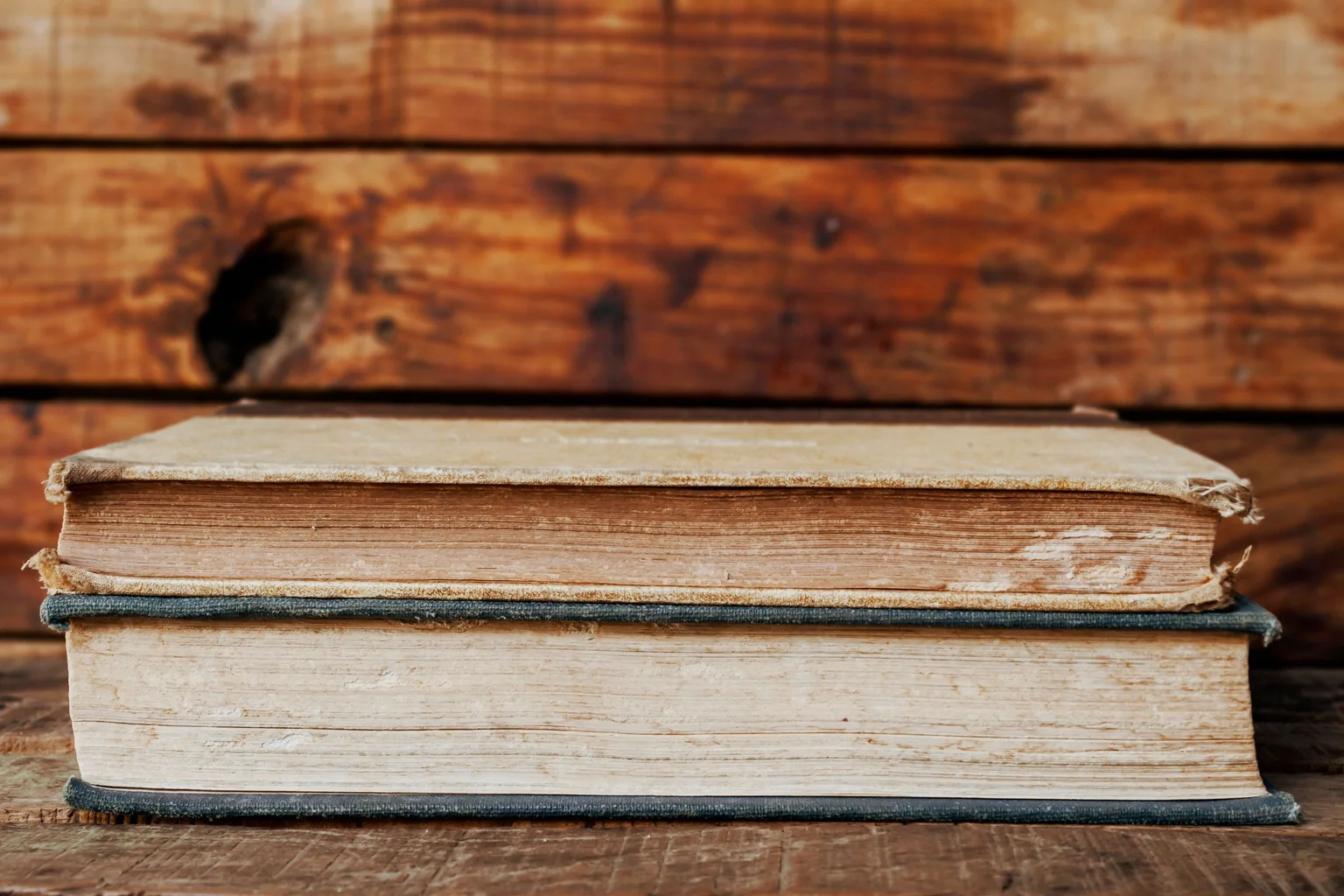
Re-reading is treated as a waste and it is nothing of the sort.
There is a quiet assumption that with more books published each year than anyone could read in ten lifetimes, going back to one is a failure of ambition. But the book has not changed and you have, and the gap between the two readings is where most of the value sits.
Nobody thinks less of you for listening to an album twice.
What changes
Plot stops mattering, which frees you to notice everything else. On a first reading you are working out what happens; on a second you can see how it was built - where a line is planted three hundred pages before it pays off, how a minor character is doing structural work you missed entirely.
Crime fiction is the clearest case. The second reading is a different novel because you are watching the author hide things.
The books that reward it
Anything you loved at seventeen, read again at forty, is worth the discomfort. Middlemarch is a different book before and after you have had a job. Most childhood favourites hold up considerably better than adults expect, and the ones that do not tell you something useful about yourself.
The disappointments are as informative as the successes.
Keep the same copy
Marginalia from a previous reading is the closest thing to a letter from your younger self, and it is almost always embarrassing. Worth it anyway.