
The Art of the Charity Shop Shelf
Two minutes per shop, in the right order, and you will find more than the person browsing for twenty.
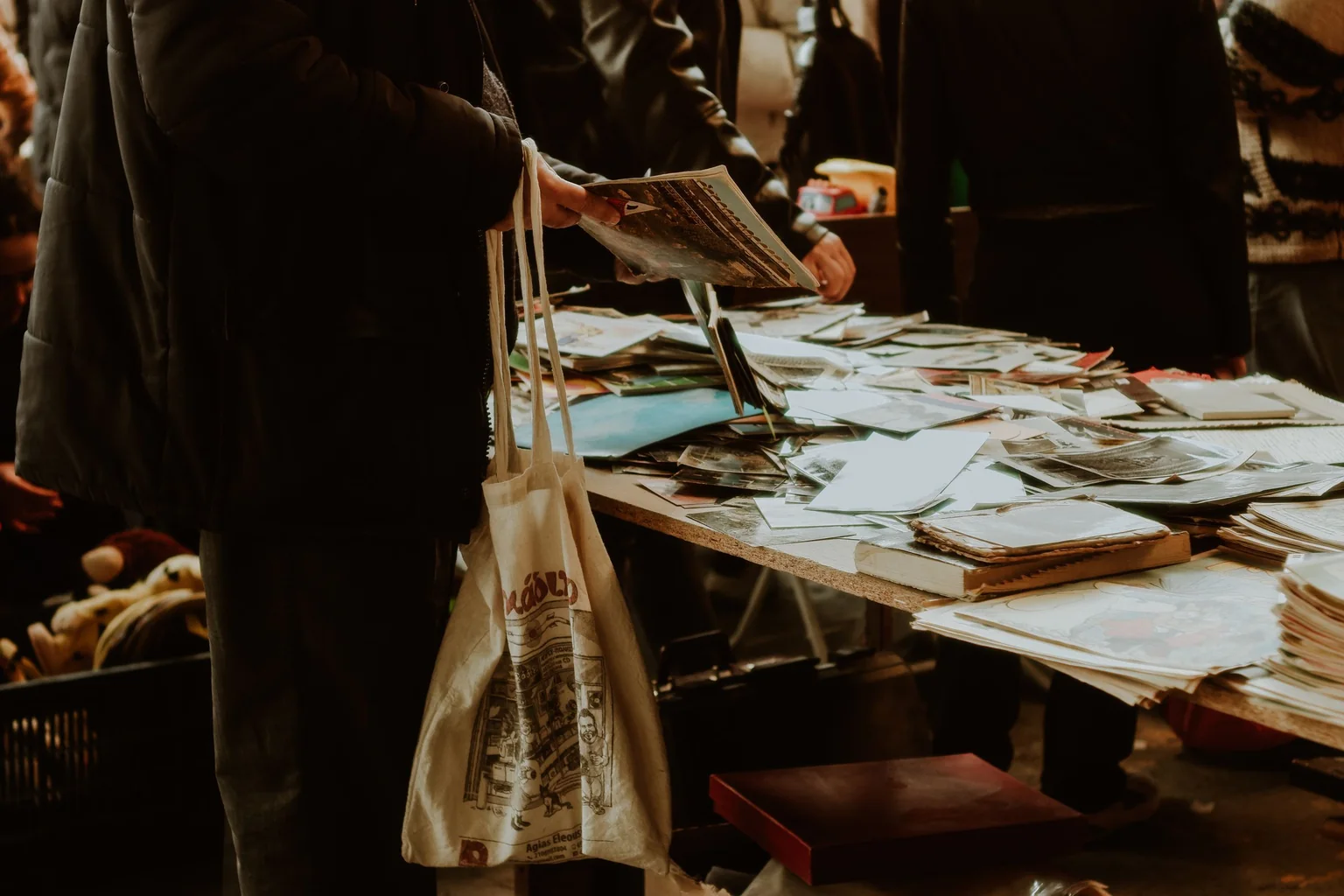
Charity shop shelves are sorted by nobody, which is the point.
There is no algorithm, no front-of-store promotion and no bestseller table. What is there is what the neighbourhood finished with, which makes it the least commercial book buying left. It also means the good things hide.
The people who find things are not browsing more slowly. They are looking in a fixed order.
The order
Spines first, left to right, at eye level - that is where volunteers put anything they think is decent. Then the bottom shelf, which is where oversized and older hardbacks end up because they do not fit anywhere else. Then the box on the floor nobody has sorted.
Two minutes. If a shop is dry it is dry, and standing in it longer will not change that.
What is worth taking
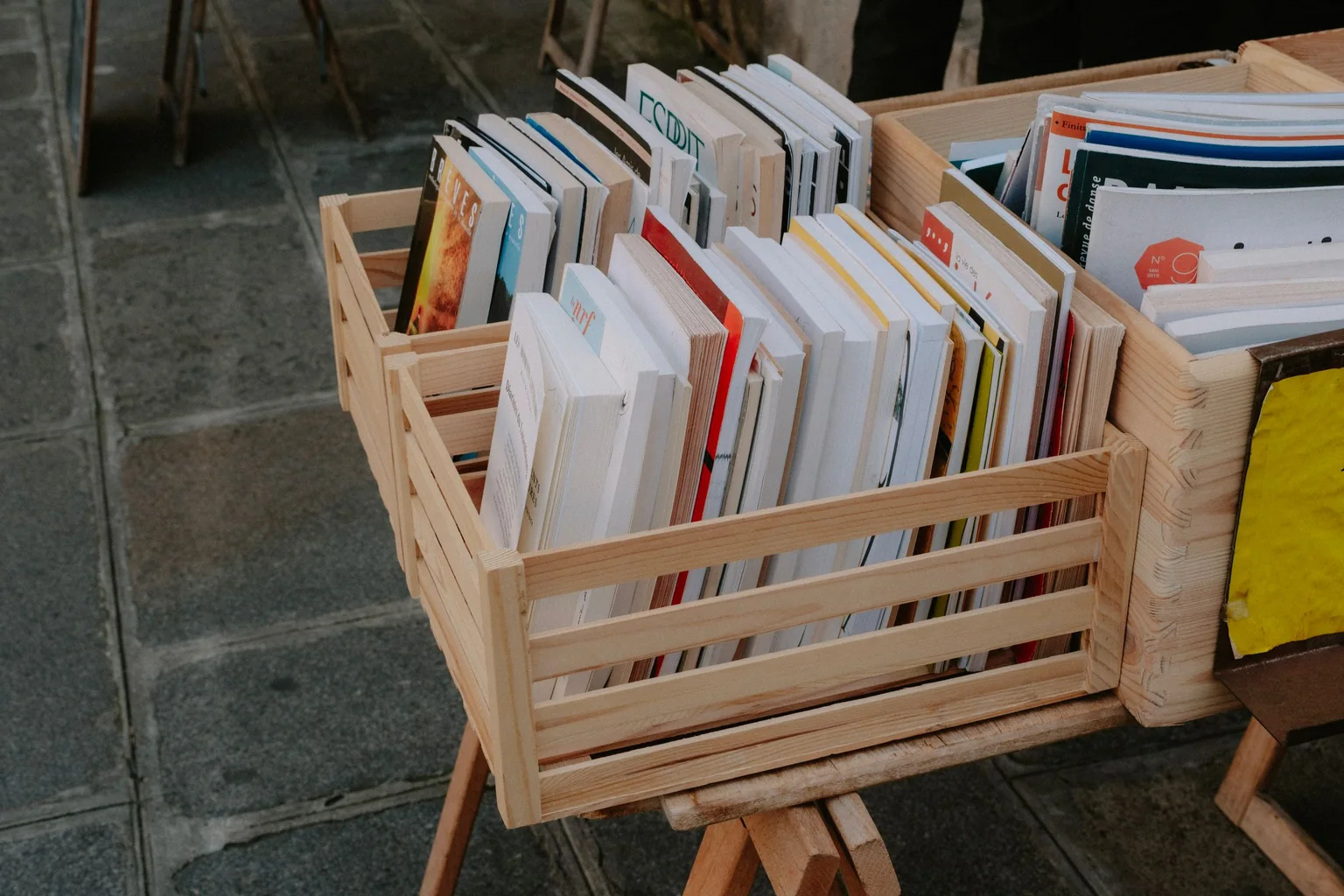
Hardback first editions of anything from a small press. Old Penguins with the orange banding, which are worth having even when the text is common. Anything by an author you already love, because a spare copy is the one you lend out.
Cookbooks from the seventies, unironically. The recipes are shorter and they assume you can cook.
What to leave
Book club editions with no publisher mark. Anything foxed through the block rather than just at the edges. And the Da Vinci Code, of which every charity shop in Britain holds at least two copies and will until the sun goes out.